Introduction
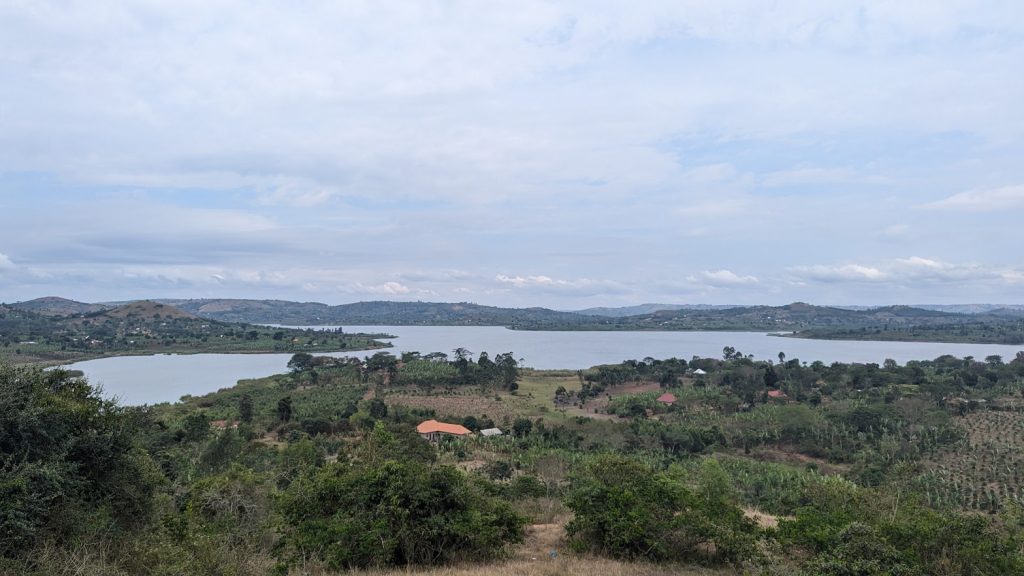
The Kingdom of Kooki, located in Rakai District in South-Western Uganda, is more than just a cultural institution — it is a story of resilience, migration, and identity. Its history stretches back over 300 years to the once-mighty Bunyoro-Kitara Empire, from which it emerged as an independent principalityAncient Kooki Kingdom.
From Bunyoro to Kooki
The roots of Kooki can be traced to Prince Bwohe, one of the sons of Omukama Olimi III Isansa Gabigogo of Bunyoro-Kitara. Following dynastic tensions after his father’s death, Prince Bwohe fled to Ankole and later journeyed back through Kitara Kya Menge, where he found a peaceful people who accepted him as their leader.
Struck by the loyalty of the people and the beauty of the land, he decided not to return to Bunyoro but to establish a principality of his own. He named it Kooki, after his birthplace in BunyoroAncient Kooki Kingdom
The Four Traditional Areas
From its earliest days, Kooki was organized into four traditional regions, each playing a role in governance and culture:
- Kibale (South)
- Mayango (Central)
- Ddungu (North)
- Bulaga (West)Ancient Kooki Kingdom (AA2025)
This structure gave the Kingdom cohesion and identity, binding clans, leadership, and community together.
The First Monarchs
Kooki’s royal lineage begins with Omukama Bwohe Isingoma (1720–1750), its founding king. He was succeeded by rulers who consolidated the Kingdom’s place in the region, including:
- Kitahimbwa I (1750–1780)
- Mujwiga (1780–1782)
- Ndaula I (1782–1785)
- Kiteimbwa II Kaiba (1785–1832)
- Ssansa I (1832–1862)Ancient Kooki Kingdom (AA2025)
These monarchs established Kooki as a fully independent principality, respected by its neighbors Buganda, Ankole, Kiziba, and Karagwe.
Toward Independence
Unlike many small kingdoms that vanished under the pressures of Buganda and colonial expansion, Kooki endured. Its people remained committed to their leaders, traditions, and heritage, enabling the Kingdom to retain its autonomy well into the 19th century.
Even after agreements with Buganda and the British, Kooki maintained its unique identity and today stands recognized as a cultural institution under Uganda’s Traditional Leaders Act.
Conclusion
The story of Kooki’s birth is one of courage, loyalty, and vision. From the flight of Prince Bwohe to the establishment of an enduring principality, Kooki’s history proves that culture and identity can survive even the greatest pressures of history.
For the people of Rakai and Uganda at large, Kooki is not only a Kingdom of the past but a heritage to be preserved and celebrated for the future.